Local Anesthesia: Is the Mandibular Block Passé?
COURSE ACCESS
Access your course 24 hours a day for 30 days from the date of purchase.
Speaker
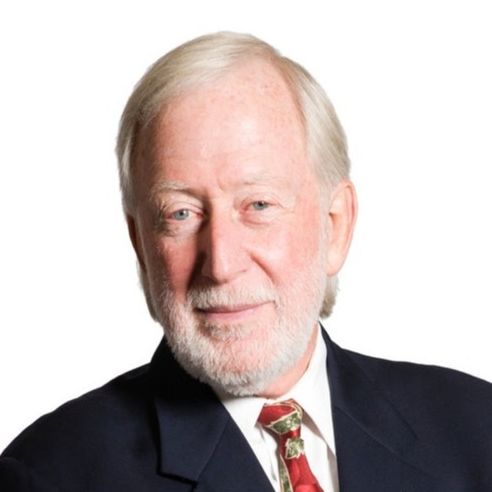
Stanley F Malamed, DDS
Emeritus Professor of Anesthesia and Medicine
University of Southern California, School of Dentistry
Los Angeles, California
Dr. Malamed is a graduate of the New York University College of Dentistry. He is a Dentist Anesthesiologist, Emeritus Professor of Dentistry, Ostrow School of Dentistry of USC. He completed a dental internship and anesthesiology residency at Montefiore Hospital and Medical Center in the Bronx, New York.
Dr. Malamed has authored more than 150 scientific papers and 16 chapters in various medical and dental journals and textbooks in the areas of physical evaluation, emergency medicine, local anesthesia, sedation and general anesthesia. Additionally, Dr. Malamed is the author of three widely used textbooks, published by C.V. Mosby Inc.: Handbook of Medical Emergencies in the Dental Office (8th edition 2022); Handbook of Local Anesthesia (7th edition 2020); and Sedation -A Guide to Patient Management (7th edition 2023).
Course Description
This course explores why achieving profound anesthesia in the mandible can be one of the greatest challenges in dentistry and provides practical, evidence-based solutions for improving success. Dr. Stanley Malamed explains the limitations of relying on soft tissue numbness, reviews the anatomy and common causes of failed inferior alveolar nerve blocks, and demonstrates alternative injection techniques—including the Gow-Gates, Vazirani-Akinosi, incisive nerve block, periodontal ligament, and intraosseous injections. The course also highlights the value of cold testing and supplemental articaine buccal infiltration to confirm pulpal anesthesia before treatment, helping clinicians improve patient comfort, reduce failed injections, and deliver more predictable care.
Topics
- Understand why mandibular anesthesia is more difficult to achieve than maxillary anesthesia and recognize the common causes of failed inferior alveolar nerve blocks
- Differentiate between soft tissue anesthesia and pulpal anesthesia and learn why cold testing is a more reliable method for confirming successful anesthesia
- Explore alternative mandibular anesthesia techniques, including the Gow-Gates, Vazirani-Akinosi, incisive nerve block, periodontal ligament, and intraosseous injections
- Learn how supplemental articaine buccal infiltration can significantly improve anesthetic success for mandibular molars
- Apply evidence-based strategies to improve anesthesia success rates while minimizing patient discomfort and the need for repeated injections
Course Objectives
Upon completion of this course, participants should be able to:
- Describe the anatomical and clinical factors that contribute to failed mandibular anesthesia
- Differentiate between soft tissue anesthesia and pulpal anesthesia when evaluating anesthetic success
- Identify appropriate indications for alternative mandibular anesthesia techniques based on the clinical situation
- Demonstrate when supplemental articaine buccal infiltration can improve anesthesia success in mandibular molars
- Explain how cold testing can be used to confirm profound pulpal anesthesia before beginning treatment
- Apply evidence-based strategies to improve the predictability of mandibular anesthesia and reduce patient discomfort

International Dental Seminars® Inc. is an ADA CERP Recognized Provider.
ADA CERP is a service of the American Dental Association to assist dental professionals in identifying quality providers of continuing dental education. ADA CERP does not approve or endorse individual courses or instructors, nor does it imply acceptance of credit hours by boards of dentistry.
Concerns or complaints about a CE provider may be directed to the provider or to the Commission for Continuing Education Provider Recognition at CCEPR.ADA.org.