Emergency Medicine: Seizures
COURSE ACCESS
Access your course 24 hours a day for 30 days from the date of purchase.
Speaker
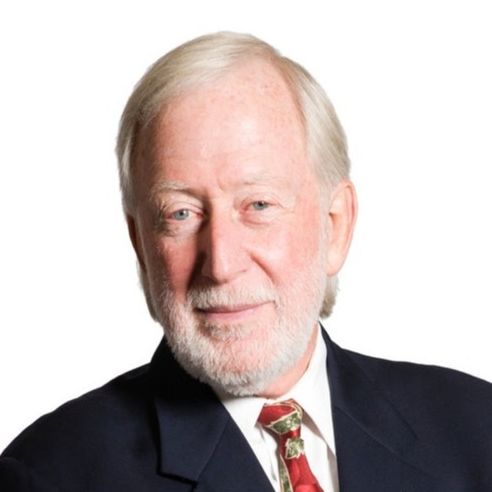
Stanley F Malamed, DDS
Emeritus Professor of Anesthesia and Medicine
University of Southern California, School of Dentistry
Los Angeles, California
Dr. Malamed is a graduate of the New York University College of Dentistry. He is a Dentist Anesthesiologist, Emeritus Professor of Dentistry, Ostrow School of Dentistry of USC. He completed a dental internship and anesthesiology residency at Montefiore Hospital and Medical Center in the Bronx, New York.
Dr. Malamed has authored more than 150 scientific papers and 16 chapters in various medical and dental journals and textbooks in the areas of physical evaluation, emergency medicine, local anesthesia, sedation and general anesthesia. Additionally, Dr. Malamed is the author of three widely used textbooks, published by C.V. Mosby Inc.: Handbook of Medical Emergencies in the Dental Office (8th edition 2022); Handbook of Local Anesthesia (7th edition 2020); and Sedation -A Guide to Patient Management (7th edition 2023).
Course Description
Seizures are among the more common medical emergencies encountered in the dental office, making it essential for every dental professional to recognize and respond appropriately. In this course, Dr. Stanley Malamed explains the causes and types of seizures most likely to occur during dental treatment, with a focus on epilepsy and local anesthetic overdose. Participants will learn how to safely manage a patient before, during, and after a seizure using basic emergency principles, recognize when emergency medical services should be activated, and avoid common mistakes that can increase the risk of injury.
Topics
- Review why seizures are a relatively common medical emergency encountered in the dental office and understand their most common causes
- Explain how to identify patients at increased risk by reviewing medical history, seizure control, and seizure aura
- Describe the appropriate management of a patient during the active (ictal) phase of a seizure while preventing injury
- Discuss the importance of post-seizure (postictal) care, including airway management and patient recovery
- Identify when emergency medical services should be activated and understand the management of prolonged seizures (status epilepticus)
- Review the role of anticonvulsant medications, including midazolam, in the emergency treatment of seizures
Course Objectives
Upon completion of this course, participants should be able to:
- Describe the most common causes of seizures encountered in the dental office
- Identify patient history findings that may indicate an increased risk for seizure activity during treatment
- Demonstrate the appropriate steps for managing a patient during an active seizure while minimizing injury
- Explain the importance of airway management and postictal care following a seizure
- Differentiate situations that require activation of emergency medical services from those that can be managed safely in the dental office
- Recognize the role of midazolam and emergency responders in the treatment of prolonged seizures

International Dental Seminars® Inc. is an ADA CERP Recognized Provider.
ADA CERP is a service of the American Dental Association to assist dental professionals in identifying quality providers of continuing dental education. ADA CERP does not approve or endorse individual courses or instructors, nor does it imply acceptance of credit hours by boards of dentistry.
Concerns or complaints about a CE provider may be directed to the provider or to the Commission for Continuing Education Provider Recognition at CCEPR.ADA.org.